TMS for Burnout: Treating the Problem Beneath the Symptoms

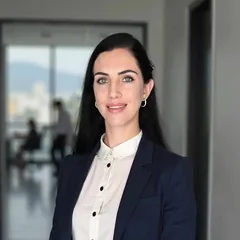
By Melissa Coetzee, CEO and Founder, Algarve Wellness.
Clinically reviewed by Dr Miguel Gonçalves, Clinical Director, OPP Reg. 6214.
Published · Updated
As seen in Brainz Magazine (opens in a new tab), .
Contents

I had a client arrive at Africa Wellness, our sister clinic in South Africa, not long ago. She had not slept properly in years. And I mean years.
She had seen psychiatrists. She had tried antidepressants. She had taken the breaks her family kept suggesting. She had done the therapy. Nothing held.
Within a few weeks of integrated treatment at our sister clinic, she was sleeping every night. Properly. She told me she had never felt happier. She said we saved her life.
What changed was not her effort. Her effort had always been there. What changed was that we finally addressed the actual problem, not just the symptoms sitting on top of it.
That is the honest answer to whether TMS can help burnout. Transcranial magnetic stimulation is not a stand-alone cure, and it is not a shortcut. The aim is to help a brain worn down by years of pressure become receptive again, so that therapy and the rest of a clinical programme can take hold. At Algarve Wellness, clinician-led rTMS may be included for selected mental health needs, and only after assessment.
In brief
- The World Health Organization calls burnout an occupational phenomenon, not a medical condition. It is not only a mindset problem either: long-term work stress has been linked to changes in the brain areas behind decisions and emotional regulation.
- TMS sends magnetic pulses from a coil placed against the scalp to a chosen part of the brain. You sit fully awake, with no anaesthetic and no sedation.
- TMS is not ECT. There is no general anaesthetic, no seizure and no memory loss.
- TMS is an established treatment for depression that has not improved with medication; research on burnout is at an earlier stage. It works alongside therapy, not instead of it, and whether it belongs in your plan is a clinical decision, made only after assessment.
Why burnout outlasts rest, holidays and willpower
Most executives who come to us have been managing their burnout for years. And managing it well, by most external measures. They are still in the meetings. Still closing the deals. Still performing. But underneath all of that, something has quietly shifted.
The decisions that used to feel fast now feel heavy. The mornings require something external to begin them. The sleep that used to come naturally stopped coming at all. And no amount of rest, mindset work, or lifestyle adjustment has moved the needle the way they expected it to.
There is a reason for that. Burnout at this level is not only a question of mindset. In a brain-scan study, 30 people with long-term work stress had less grey matter in parts of the front of the brain than 68 people without it. Those areas support decision-making, attention and emotional regulation. The study was small and cannot show that stress caused the change, but it fits what so many of my clients describe: decisions that feel heavy, and a mind that will not switch off.
For some, the evening drink becomes the way to come down from the day. Alcohol can ease tension for a short while, but it also disrupts sleep and can lower mood, so the cycle feeds itself. If that sounds familiar, there is a separate article on drinking every night.
Is burnout a medical condition?
Not on its own. The World Health Organization describes burnout in its International Classification of Diseases (ICD-11) as an occupational phenomenon: the result of chronic workplace stress that has not been successfully managed. It has three parts: feeling drained of energy, feeling distant or cynical about your job, and getting less done. Burnout often sits alongside depression, anxiety and poor sleep, which are medical conditions, and a doctor can help tell them apart.
If you are still deciding whether what you feel is burnout or ordinary tiredness, there are separate articles on burnout versus exhaustion and on executive burnout.
Why therapy may not stick when you are burnt out
Here is something I see over and over again. Someone arrives having already done the work. Therapy. Coaching. A stint at another facility. They will tell me they understood everything. They agreed with the insights. But nothing changed.
Think of the brain like a garden. When someone has been under extreme pressure for long enough, the soil hardens. You can plant the best seeds in the world, better coping strategies, new perspectives, and healthier patterns, and nothing takes root. Not because the seeds are wrong. Because the soil has become concrete.
What we need to do first, before any therapy can land, is prepare the soil: make the brain and body receptive to learning again. Sleep, medical care and rest are part of that. For some guests, after assessment, rTMS may be part of it too.
What TMS is, and what happens in a session
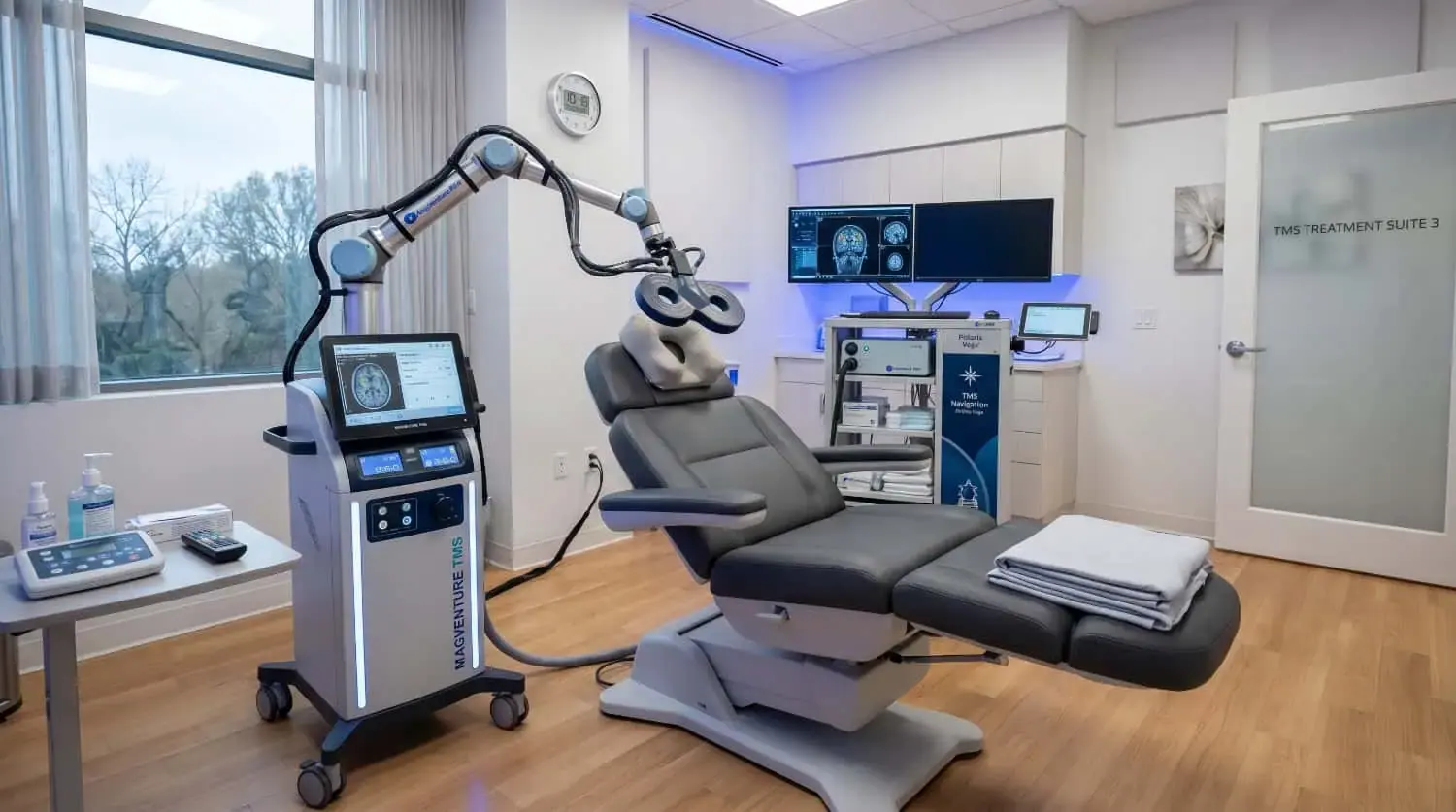
Transcranial magnetic stimulation sends magnetic pulses from a coil to a chosen part of the brain. The form used in treatment is rTMS, repetitive TMS, given as a course of sessions. A session is simple:
- You sit fully awake in a comfortable chair.
- A coil is placed gently against the scalp.
- Magnetic pulses stimulate nerve cells in the chosen area.
- No anaesthetic. No sedation. You are awake throughout, so there is nothing to recover from.
Across a course of sessions, rTMS is thought to change how connected brain regions work together, part of what researchers call neuroplasticity. TMS is an established treatment for depression that has not improved with medication, and it was first cleared for that use in the United States in 2008. Research on burnout and stress-related symptoms is at an earlier stage, so we consider it case by case, and always alongside therapy and medical care.
TMS is not ECT
I always need to address the comparison that comes up, because the confusion stops people before they start. TMS is not ECT. ECT involves a general anaesthetic and a controlled seizure. TMS involves neither. No sedation. No memory loss. No seizure. Just a focused magnetic field, while you are awake in the chair.
Can TMS and therapy work together?
They can be given at the same time. In one study of 196 adults with depression who had rTMS and talking therapy together, 66 per cent responded and 56 per cent reached remission by the end of treatment. That study had no comparison group, so it does not show that the combination works better than either one alone, and it was in depression, not burnout.
The pattern I see at Africa Wellness, our sister clinic in South Africa, when TMS is integrated with therapy and our full clinical programme is consistent. The fog lifts. The mornings become manageable. The decisions feel faster. The emotional steadiness that used to be automatic starts to return.
And critically, the therapy starts to work. When the brain is more receptive, the insights have somewhere to land. The seeds finally find soft soil.
The executives who complete treatment at our sister clinic do not describe becoming different people. They describe returning to who they already were. Before the pressure changed things, before the pattern became something they could not step out of on their own.
TMS at Algarve Wellness: one part of one personalised plan
At Algarve Wellness we work with one guest at a time, and every plan is individual. Before anyone travels, there is a confidential clinical and medical assessment. Our Clinical Director, Dr Miguel Gonçalves, reviews the intake and guides the treatment direction.
Psychological and medical care are the foundation. Selected restorative therapies are added after assessment, and clinician-led rTMS may be included for selected mental health needs. In the Executive Lux Program, rTMS is included only if it is prescribed.
Not every guest receives every therapy, and no therapy is promised before the clinical assessment.
You can read about the conditions we treat, burnout and executive exhaustion among them, and see how our residential programmes are structured. For some people, trauma-informed therapy is part of the same plan; there is a separate article on EMDR for burnout.
If nothing has held, start with the root cause
It may not be the effort that was missing. It may be that the root cause has never been addressed.

If you are an executive who has tried everything and found that nothing has held, that is exactly where we begin.
The first conversation is private. It is with me, and there is no charge.
TMS for burnout: your questions answered
Not on its own. TMS is an established treatment for depression that has not improved with medication; research on burnout is at an earlier stage. Here it is used to help a brain worn down by chronic stress become receptive, so that therapy and the rest of a clinical programme can take hold. Every path is different, and no result is guaranteed.
No. ECT involves a general anaesthetic and a controlled seizure. TMS involves neither: no sedation, no seizure and no memory loss.
You sit fully awake in a comfortable chair while a coil placed gently against the scalp sends magnetic pulses to a chosen part of the brain. There is no anaesthetic and no sedation. rTMS is given as a course, and any change builds as sessions are repeated.
No. There is no anaesthetic or sedation to recover from, and you are awake throughout the session.
No. TMS is used alongside therapy, not instead of it. At Algarve Wellness, psychological and medical care are the foundation, and selected therapies such as rTMS are added only after assessment.
Clinician-led rTMS may be included in a programme for selected mental health needs; in the Executive Lux Program it is included only if prescribed. Algarve Wellness is private-pay, with starting prices per week including VAT: the Foundational Program from €15,000 and the Executive Lux Program from €25,000. Final prices depend on accommodation, selected extras and availability.
Clinician-led rTMS may be included for selected mental health needs. Whether it is right for you is a clinical decision, made only after assessment: there is a confidential clinical and medical assessment before you travel, and Dr Miguel Gonçalves, our Clinical Director, reviews the intake and guides the treatment direction. Not every guest receives every therapy, and none is promised before the assessment.
There is no single treatment that suits everyone. At Algarve Wellness, burnout and executive exhaustion are treated in a one-to-one plan built from medical and psychological assessments. Psychological and medical care are the foundation, including individual psychotherapy, CBT and trauma-informed therapy, with selected restorative therapies added only after assessment.
The World Health Organization classifies burnout as an occupational phenomenon, not a medical condition. It comes from chronic workplace stress that has not been managed well, and it often sits alongside depression, anxiety and poor sleep, which are medical conditions. A doctor can help tell them apart.
It can. A drink may ease tension for a short while, but alcohol disrupts sleep and can lower mood, which makes exhaustion harder to recover from. Stopping heavy drinking suddenly can be dangerous for some people, so speak to a doctor before you stop.
Clinical review and sources
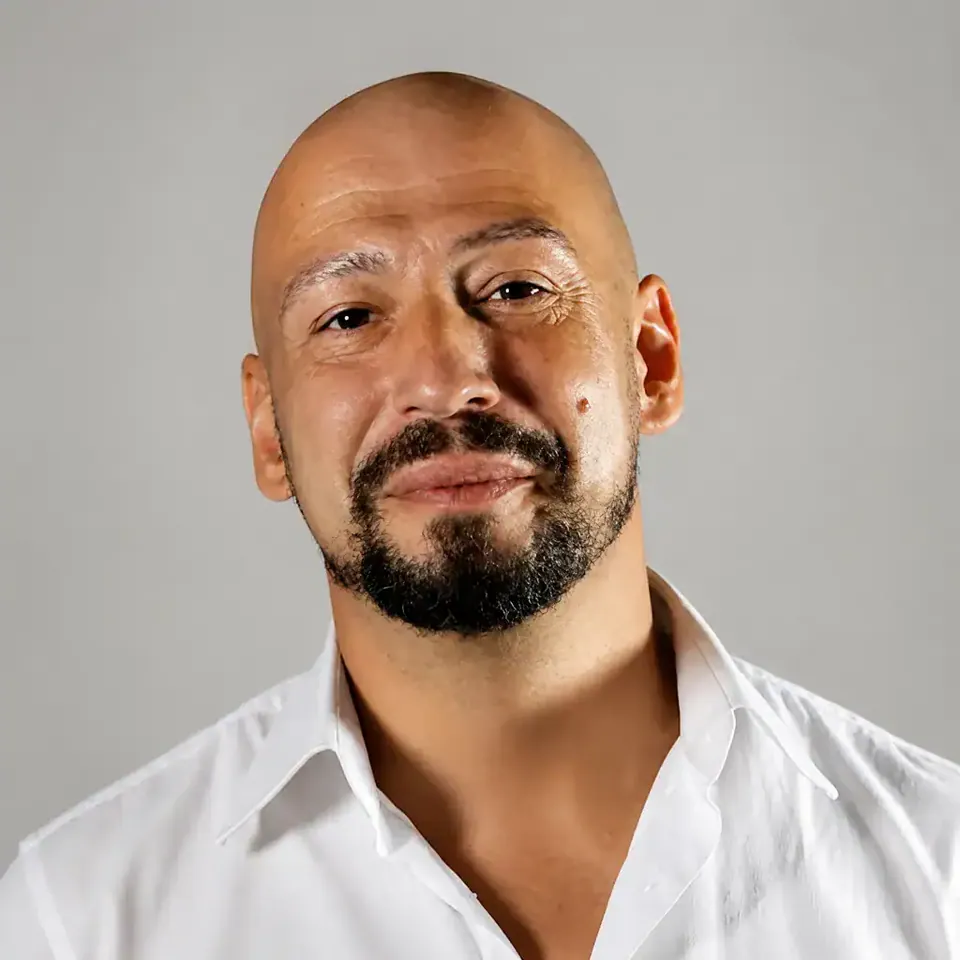
Clinically reviewed by Dr Miguel Gonçalves, Clinical Director, Algarve Wellness. Ordem dos Psicólogos Portugueses, Reg. 6214.
Written by Melissa Coetzee, CEO and Founder of Algarve Wellness and a Brainz Magazine contributor. A version of this article first appeared in Brainz Magazine on 15 May 2026.
- Coetzee, M. (2026). Are You Managing Burnout Symptoms While the Real Problem Goes Untreated? Brainz Magazine, 15 May 2026. (opens in a new tab)
- World Health Organization (2019). Burn-out an “occupational phenomenon”: International Classification of Diseases. (opens in a new tab)
- Blix, E., Perski, A., Berglund, H. and Savic, I. (2013). Long-term occupational stress is associated with regional reductions in brain tissue volumes. PLoS ONE. (opens in a new tab)
- Donse, L., Padberg, F., Sack, A.T., Rush, A.J. and Arns, M. (2018). Simultaneous rTMS and psychotherapy in major depressive disorder: clinical outcomes and predictors from a large naturalistic study. Brain Stimulation. (opens in a new tab)
- Psychiatric Times. Depression treatment turns a neuromodulatory corner: FDA clears TMS device. On the 2008 clearance of TMS for depression. (opens in a new tab)
- Inkelis, S.M., Hasler, B.P. and Baker, F.C. (2020). Sleep and alcohol use in women. Alcohol Research: Current Reviews. (opens in a new tab)
This article is for general information. It is not a substitute for professional medical or psychological advice, diagnosis or treatment. If you are concerned about your health, speak to a qualified professional. If you are in crisis or thinking about harming yourself, contact your local emergency number (112 in Portugal) or a crisis line straight away. Stopping alcohol suddenly can be dangerous for some people, so speak to a doctor before you stop.