
Brain Recovery After Quitting Alcohol: Why Stopping Is the Starting Line
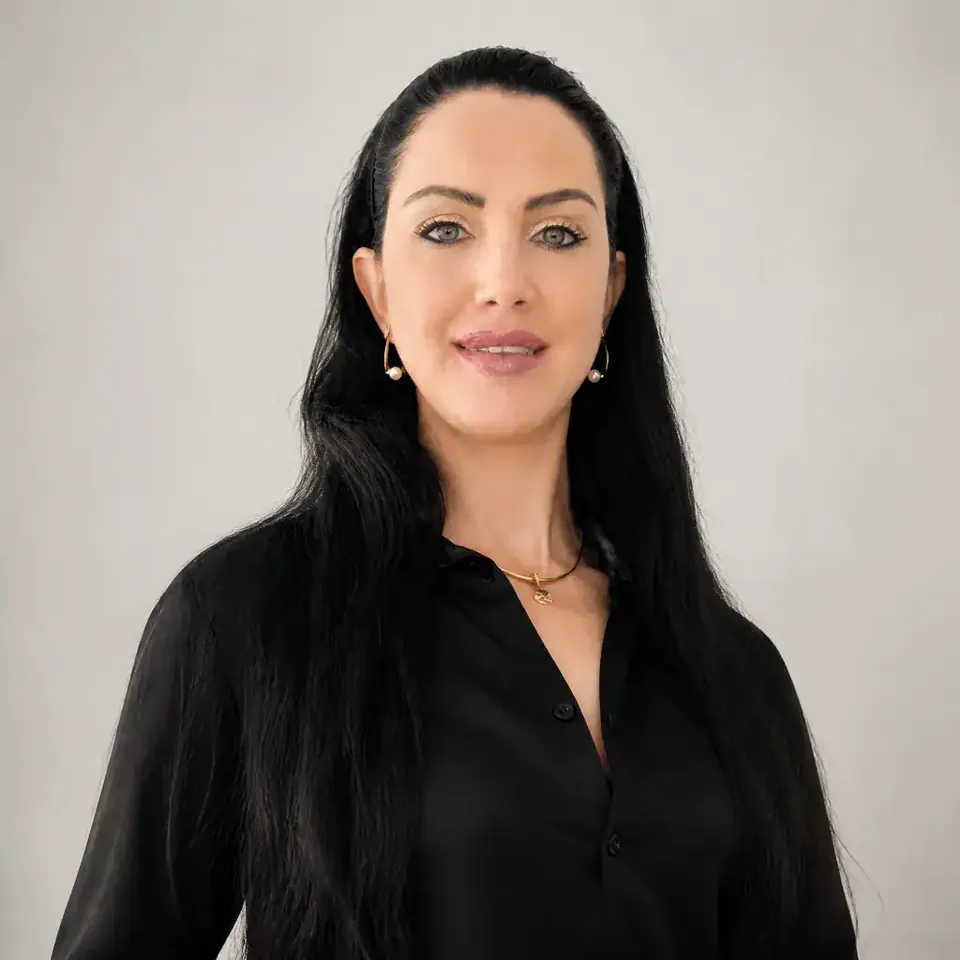
By Melissa Coetzee, CEO and Founder, Algarve Wellness.
Clinically reviewed by Dr Miguel Gonçalves, Clinical Director, OPP Reg. 6214.
Published · Updated
As seen in Brainz (opens in a new tab), .
Contents

Most people think of the day someone stops drinking as the end of the story. In the body, it is closer to the opening page.
The brain and the organs that alcohol has been quietly damaging for years do not repair themselves the moment the drinking stops. They repair themselves over the following weeks and months, and how well that repair goes depends on what happens during that window.
So the real question I sit with is not whether someone can stop drinking. It is how quickly we can support the biological repair that follows, so the limited time available is used as well as it possibly can be.
That is also where hyperbaric oxygen therapy for alcohol recovery comes in: a supportive treatment we may use once a doctor has checked it is safe for you. It does not replace detox, medication or therapy, and the research is still early, so we explain it as it stands.
How long does the brain take to recover after quitting alcohol?
Brain recovery after quitting alcohol is measured in months, not days. In the research, repair is fastest in the first weeks, continues for months after that, and in some people not every change fully reverses.
A study published in Alcohol in 2024 followed 40 people with alcohol use disorder through about seven months of abstinence after treatment, measuring the thickness of the brain's outer layer, the cortex (Recovery Research Institute (opens in a new tab)). Three things stand out across that study and the review by the US National Institute on Alcohol Abuse and Alcoholism (NIAAA):
The first month
The cortex thickened faster between one week and one month without alcohol than in the months that followed.
Around seven months
The cortex was thicker in 25 of the 34 regions measured, and close to the levels of people without alcohol use disorder in 24 of them.
Months to years
Some alcohol-related brain changes can improve, and possibly reverse, with months of abstinence. In severe cases, problems in the prefrontal cortex can persist after months to years (NIAAA, 2025 (opens in a new tab)).
The study was small and included few women, so these numbers describe a direction, not a promise for any one person. NIAAA is clear that how far the brain can return to normal after long-term sobriety is not yet fully understood.
Why the weeks after stopping matter as much as the decision to stop
For a private client, an executive, or anyone with a business and a family that cannot simply pause, that window is the actual problem nobody is writing about.
I think about this constantly, because the people who come to us at Algarve Wellness rarely have the luxury of taking a year out of their lives. You want to optimise your time in treatment, because you do not have that much time.
People arrive with old behaviours, old habits, old reward systems and old ways of coping. To leave well, they need new habits and new ways of thinking, which means building new pathways in the brain. That takes time. It does not happen in a month.
What slows the brain's repair, and what supports it
Recovery was not equal for everyone in that study. The researchers named three things that shaped it:
- Drinking history. How much someone had drunk before stopping was among the factors that shaped how far the cortex recovered.
- Heart and blood-vessel health. People with conditions linked to plaque in the arteries, such as high blood pressure or diabetes, had areas of the cortex that stayed thinner.
- Smoking. Heavier smoking went with less recovery, particularly in the front of the brain.
On the supporting side, NIAAA describes two kinds of evidence-based treatment that help the brain recover: medication for alcohol use disorder and behavioural healthcare. It also notes that the discomfort of withdrawal is the leading reason people return to drinking, which is why support in the early weeks matters. Which of these fits someone starts with a proper assessment; you can see the conditions we treat.
This is where hyperbaric oxygen therapy enters the conversation for us, not as a headline treatment, but as one part of that repair work.
Hyperbaric oxygen therapy for alcohol recovery
Not new, and not a trend
The first thing worth correcting is the assumption that hyperbaric oxygen is some new biohacking fashion. It is peer-reviewed, and it is not new, and a lot of people think it is. It has been in routine clinical use for more than forty years, as an established treatment for gas embolism, carbon monoxide poisoning, decompression sickness, and slow-healing wounds. What is newer is the interest in how it might support recovery from alcohol dependence specifically, and there is not that much research on it, which I do not understand, because there should be.
How hyperbaric oxygen works
Under normal conditions, most of the oxygen your body carries travels attached to red blood cells, which are already close to fully loaded. Inside a pressurised chamber, oxygen dissolves directly into the blood plasma instead, at levels roughly ten to twenty times higher than normal, depending on the pressure used. That oxygen-rich plasma can reach tissue that ordinary circulation struggles to serve, which is the basis for most of what follows.
What the research shows so far
The research during acute withdrawal is limited. A 2022 study followed 160 men in hospital with moderate alcohol withdrawal: blood oxygen markers recovered faster in the men who had hyperbaric oxygen alongside standard medication, but withdrawal symptom scores were no different (Kapytau et al., 2022 (opens in a new tab)). Because that evidence is still developing, we do not use hyperbaric oxygen to treat withdrawal. A physician manages withdrawal, with monitoring and, where needed, medication. The research on what happens after that phase is more interesting.
A University of Pennsylvania study found the body's own stem and progenitor cells circulating in the bloodstream doubled after a single session, and rose eightfold across a course of 20 sessions (Thom et al., 2006 (opens in a new tab)). A randomised trial in 63 healthy adults over 64 found better attention and information processing speed after three months, alongside increased blood flow in parts of the brain (Hadanny et al., 2020 (opens in a new tab)). For the liver, a 2018 review reports that most studies found benefits in conditions such as acute liver injury and fatty liver disease, linked to less inflammation and less oxidative damage; it did not cover alcohol-related liver disease (Sun et al., 2018 (opens in a new tab)).
None of these studies looked at people recovering from alcohol dependence, so we cannot promise the same effects.
Brain fog, memory problems and tiredness are common in early recovery, and that is where more research would be most useful. None of this makes it a treatment for alcohol dependence. For us it is one supportive part of the repair work, never the treatment itself.
What two months looked like: one guest's story
A 64-year-old woman came to us after roughly thirty years of drinking. Her liver was terrible when she came in.
The first month was not clean, and I think that matters more than anything else about her. It was very experimental, because she still kind of got hold of alcohol. She was still very unsure. Humans are very complex, not very simple. Even when someone comes for help, she still has the idea that maybe she can drink, that she does not think she is really an alcoholic.
She stayed. She did two months, with hyperbaric oxygen three times a week alongside her programme. We cannot say the chamber did this on its own. She also stopped drinking, and those two months without alcohol were doing their own work.
What I will tell you is that she had a limited window, and we used all of it.
What safe hyperbaric oxygen treatment requires
We only consider hyperbaric oxygen in alcohol recovery after a physician has reviewed your health, and not every guest uses it. Some conditions rule it out, or mean a session should wait.
An untreated collapsed lung rules hyperbaric oxygen out completely. Anyone taking disulfiram, sold as Antabuse, must have it fully cleared before entering a chamber: it blocks one of the body's main defences against oxygen toxicity and raises the risk of seizures and lung complications. An active sinus infection, a head cold or a history of seizures are also reasons to delay a session or take extra care.
I mention this because someone in recovery who books a session elsewhere without mentioning their medication is at genuine risk. Always tell any hyperbaric provider about every medicine you take.
How Algarve Wellness supports brain recovery
Every guest's care begins with a confidential medical and psychological assessment before travel. Our Clinical Director, Dr Miguel Gonçalves, reviews the intake and guides the treatment direction. Where withdrawal needs medical care, detox is physician-led at the villa when clinically indicated, with withdrawal monitoring and live-in nursing support.
Hyperbaric oxygen is part of our Superhuman Protocol, alongside BrainTap, PEMF and infrared sauna. It is chosen only after assessment, and only where it is clinically appropriate. Like every integrative therapy we offer, it is supportive, not a treatment for addiction or withdrawal: psychological and medical care remain the foundation. Sessions happen through our partnership with Lourenço Ribeiro, with medical oversight from Dr Catia Saraiva, a pulmonologist and hyperbaric medicine specialist.

Clinical Director. Reviews every intake and guides the treatment direction.
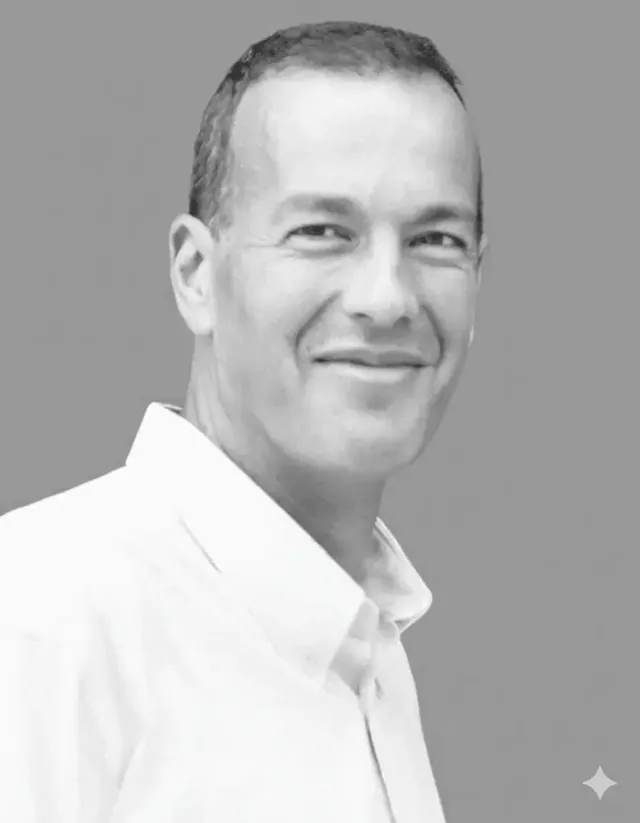
Longevity and Integrative Wellness Specialist; founder of Casa da Luz – Hyperbaric SPA in Albufeira and Faro.
You can see how our residential programmes are structured on our programmes and packages page.
The window after stopping
Stopping drinking is the moment everyone notices. What happens in the weeks afterwards is quieter.
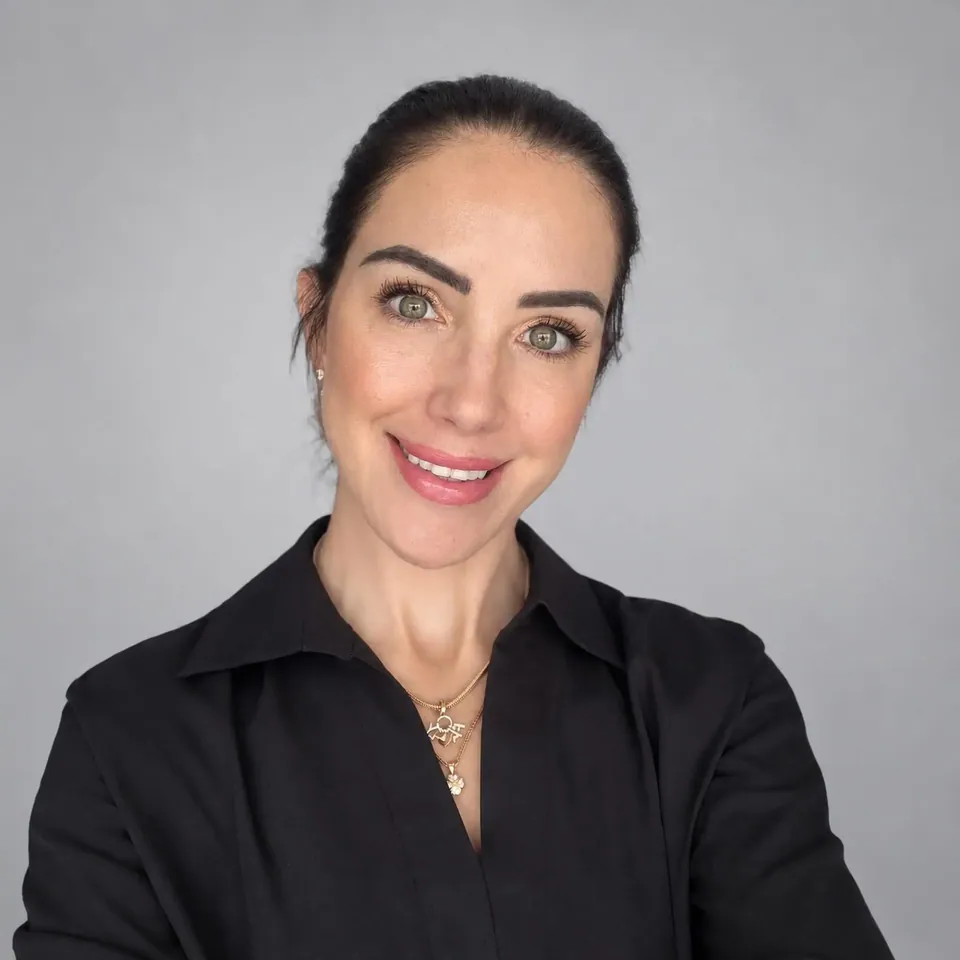
For someone who genuinely cannot give this a year, how well those weeks are used may matter just as much as the decision to stop at all. We offer private alcohol treatment in the Algarve, Portugal, one guest at a time.
If that is the position you are in, or someone you care about is, the conversation is worth having before the window closes. The first conversation is private. It is with me, not a form or an admissions inbox, and there is no charge.
Brain recovery after quitting alcohol: questions people ask
Some of it can improve a great deal, but not always completely. NIAAA says a growing number of studies show that at least some alcohol-related brain changes can improve, and possibly reverse, with months of abstinence. In severe cases, problems in the prefrontal cortex can persist after months to years, and how far the brain can return to normal is not yet fully understood.
Months rather than weeks. In a 2024 study of 40 people, the cortex recovered fastest between one week and one month without alcohol, and by about seven months it was close to the levels of people without alcohol use disorder in 24 of 34 regions. The study was small and included few women.
In the early period after stopping, NIAAA describes heightened negative emotional states, as stress circuits in the brain become overactive during withdrawal, and notes that this discomfort is the leading reason people return to drinking. At Algarve Wellness, anxiety, depression, trauma, grief and burnout are treated together with alcohol use, by the same team, in the same programme.
In that 2024 study, heavier smoking went with less recovery, particularly in the front of the brain. Drinking history, and conditions linked to plaque in the arteries such as high blood pressure or diabetes, also shaped how far the cortex recovered.
No. It is not a treatment for alcohol dependence or withdrawal, and it does not replace detox, medication or therapy. Hyperbaric oxygen has been in routine clinical use for more than forty years for conditions such as decompression sickness and carbon monoxide poisoning, but research on alcohol dependence is limited. At Algarve Wellness it is part of our Superhuman Protocol: a supportive therapy chosen after a physician has reviewed your health.
Not until it is fully cleared. Disulfiram blocks one of the body's main defences against oxygen toxicity and raises the risk of seizures and lung complications. Tell whoever runs the session about every medication you take.
Yes, as part of our Superhuman Protocol, and only where it is clinically appropriate after assessment. Sessions happen through our partnership with Lourenço Ribeiro, with medical oversight from Dr Catia Saraiva, a pulmonologist and hyperbaric medicine specialist.
For some people, it is not. Stopping alcohol suddenly can be dangerous, so speak to a doctor before you stop. Where detox is needed, it is physician-led at the villa when clinically indicated, with withdrawal monitoring. If someone is very unwell, or at risk of harming themselves or others, call 112 in Portugal or your local emergency number straight away.
No. Every programme is individual. Therapies are chosen after a confidential assessment, and some guests will not use hyperbaric oxygen at all.
Sources and medical note
Written by Melissa Coetzee, CEO and Founder, Algarve Wellness. First published in Brainz (opens in a new tab), .
Clinically reviewed by Dr Miguel Gonçalves, Clinical Director, Algarve Wellness. Ordem dos Psicólogos Portugueses, Reg. 6214.
This article is for general information. It is not a substitute for professional medical or psychological advice, diagnosis or treatment. If you are concerned about your health, speak to a qualified professional. If you are in crisis or thinking about harming yourself, contact your local emergency number or a crisis line straight away.
- Durazzo TC, Stephens LH, Meyerhoff DJ (2024). Regional cortical thickness recovery with extended abstinence after treatment in those with alcohol use disorder. Alcohol, 114, 51–60. (opens in a new tab)
- Recovery Research Institute. A look at the brain over time during abstinence after alcohol use disorder. (opens in a new tab)
- National Institute on Alcohol Abuse and Alcoholism (2025). Neuroscience: The Brain in Addiction and Recovery. Core Resource on Alcohol. (opens in a new tab)
- Kapytau D, et al. (2022). The effect of non-compressed oxygen therapy and hyperbaric oxygenation in combination with standardized drug therapy on blood acid-base biomarkers in alcohol withdrawal syndrome. Frontiers in Psychiatry, 13, 819154. (opens in a new tab)
- Thom SR, et al. (2006). Stem cell mobilization by hyperbaric oxygen. American Journal of Physiology: Heart and Circulatory Physiology, 290(4), H1378–H1386. (opens in a new tab)
- Hadanny A, et al. (2020). Cognitive enhancement of healthy older adults using hyperbaric oxygen: a randomized controlled trial. Aging, 12(13), 13740–13761. (opens in a new tab)
- Sun Y, et al. (2018). Hyperbaric oxygen therapy in liver diseases. International Journal of Medical Sciences, 15(8), 782–787. (opens in a new tab)
- Bitterman H (2009). Bench-to-bedside review: oxygen as a drug. Critical Care, 13(1), 205. (opens in a new tab)
- University of Iowa Health Care. Hyperbaric oxygen therapy resources for providers. (opens in a new tab)
- Landspitali University Hospital. Indications for hyperbaric oxygen therapy (UHMS and European indications). (opens in a new tab)